
Things to Do in Cape Breton, Nova Scotia
Home to the world-famous Cabot Trail, Cape Breton Island offers breathtaking highland scenery, Celtic culture, and some of the most spectacular coastal drives in North America. Discover rugged wilderness, traditional music, and warm Highland hospitality.
Top Highlights

Celtic Colours Festival
Annual celebration of Celtic music and culture across Cape Breton Island each October — the 2026 festival runs October…

Cabot Trail
A spectacular 298-kilometer scenic drive winding through Cape Breton Highlands National Park, offering breathtaking…

Fortress of Louisbourg
A National Historic Site offering a living history experience of 18th-century French colonial life. North America's…
What to Do & See
Restaurants
15 items
Baddeck Lobster Suppers
🍽️Classic Nova Scotian all-you-can-eat lobster dinners at the southern point of Cabot Trail. A quintessential East Coast dining experience.
Menu Highlights:
- lobster
- seafood
- traditional
- all-you-can-eat

Black Spoon Bistro
🍽️One of Cape Breton's highest-rated restaurants, Black Spoon Bistro serves creative seafood and Canadian dishes in a warm, contemporary setting. Also features Black Spoon Market for gourmet takeaway items. Known for exceptional service and consistently excellent food.
Menu Highlights:
- 4.8 TripAdvisor rating (575+ reviews)
- Creative seafood and Canadian cuisine
- Black Spoon Market for gourmet takeaway
- Catering and private events
- Family-run with warm hospitality

The Lobster Pound And Moore
🍽️Family-run seafood restaurant in North Sydney with a 4.6-star Google rating from more than 370 reviews. Known for fresh lobster and chef-crafted seafood dishes in a cozy, reservation-only harbourside setting.
Menu Highlights:
- Fresh Lobster
- Lobster Ravioli
- Waterfront Dining
- Chef-Crafted Menu
- Intimate Atmosphere
Explore
15 items
Drive the Iconic Cabot Trail
🎯298-km scenic loop through Cape Breton Highlands National Park with coastal views, fishing villages, and autumn foliage. World-class road trip.
What to Experience:
- scenic drive
- coastal views
- road trip
- autumn foliage

Hike the Skyline Trail
🎯Spectacular cliffside boardwalk trail with panoramic Gulf of St. Lawrence views, moose sightings, and incredible sunsets. Accessible boardwalk system suitable for various fitness levels.
What to Experience:
- hiking
- boardwalk
- coastal views
- wildlife

Attend a Traditional Ceilidh in Judique
🎯Authentic Gaelic music, dance, and storytelling at the Celtic Music Interpretive Centre. Live traditional fiddle music rooted in Cape Breton's Celtic heritage.
What to Experience:
- Celtic music
- cultural experience
- traditional
- music festival
Shops
15 items
Cape Breton Centre for Craft & Design
🛍️Premier destination featuring over 120 professional Cape Breton craft producers in their Gallery Shop downtown. Offers jewelry, fashion accessories, homewares and gifts designed and handcrafted by local makers.
What to Find:
- artisan collective
- contemporary crafts
- local makers
- gallery shop

Arts North
🛍️Features eclectic variety of mediums including pottery, jewellery, wood, fibre, quilts, weaving, prints and glass from artisans inspired by Cape Breton's natural beauty.
What to Find:
- heritage craft
- modern techniques
- diverse mediums
- creative inspiration

Artisan Shops & Galleries Trail
🛍️A self-guided trail of Cape Breton's artisan studios and galleries — meet rug hookers, glass-blowers, potters, and woodworkers from Sydney to Chéticamp along the Cabot Trail.
What to Find:
- studio tours
- workshops
- local arts scene
- craft trail
Tours
17 items
Pleasant Bay Whale Watching
🚶Intimate-sized whale watching tours exploring coastal waters with abundant wildlife and spectacular beauty. Each 1.5-2 hour tour is guided by experienced captains who provide interactive experiences.
Tour Highlights:
- whale watching
- marine wildlife
- coastal exploration
- interactive tours
.jpeg)
Keltic Express Zodiac Adventures (KEZA)
🚶Adventure tours on the world-famous Cabot Trail at Ingonish, offering unique opportunities to discover northern Cape Breton's marine life near coastlines.
Tour Highlights:
- zodiac adventures
- Cabot Trail
- marine life
- adventure tours

Private Cabot Trail Discovery Tour
🚶The most practical way to experience the island's famous scenic route with a local's perspective. Offers flexibility to stop for photos and explore at your own pace.
Tour Highlights:
- scenic drives
- local perspective
- photography
- flexible touring
Hikes
13 items
Skyline Trail
🥾The most iconic Cape Breton hike featuring dramatic cliff-edge views of the Gulf of St. Lawrence. Hikers emerge from forest to spectacular ocean vistas that are breathtaking enough to forget to even reach for your camera.
Trail Highlights:
- coastal views
- boardwalk
- whale watching
- dramatic cliffs

Middle Head Trail
🥾A spectacular coastal loop following a narrow peninsula separating North and South Ingonish Bays, ending on headland cliffs overlooking the Atlantic Ocean, Cape Smokey, and Ingonish Island.
Trail Highlights:
- coastal loop
- peninsula
- seabird watching
- fishing boat sightings

North River Falls Trail
🥾⚠️ PERMANENTLY CLOSED (storm damage since 2021). Leads to Nova Scotia's tallest waterfall at 32 meters through Cape Breton forest terrain with technical and non-technical sections. Features seasonal butterfly migrations in June-July.
Trail Highlights:
- waterfall
- tallest waterfall
- river crossings
- butterfly migrations
Attractions
13 items Cabot Trail
🏛️A spectacular 298-kilometer scenic drive winding through Cape Breton Highlands National Park, offering breathtaking views of the Atlantic Ocean, rugged coastlines, and lush forests.
Key Features:
- scenic drive
- coastal views
- photography
- outdoor adventure
Great Hall of the Clans Museum
🏛️Interactive museum at the Gaelic College in St. Ann's on the Cabot Trail, tracing the journey of Highland Scots to Cape Breton through eight hands-on displays, the Rev. Norman MacLeod exhibit, and daily cultural demonstrations.
Key Features:
- interactive museum
- Rev. Norman MacLeod exhibit
- cultural demonstrations
- ceilidhs and concerts
- gift shop
Glenora Inn & Distillery
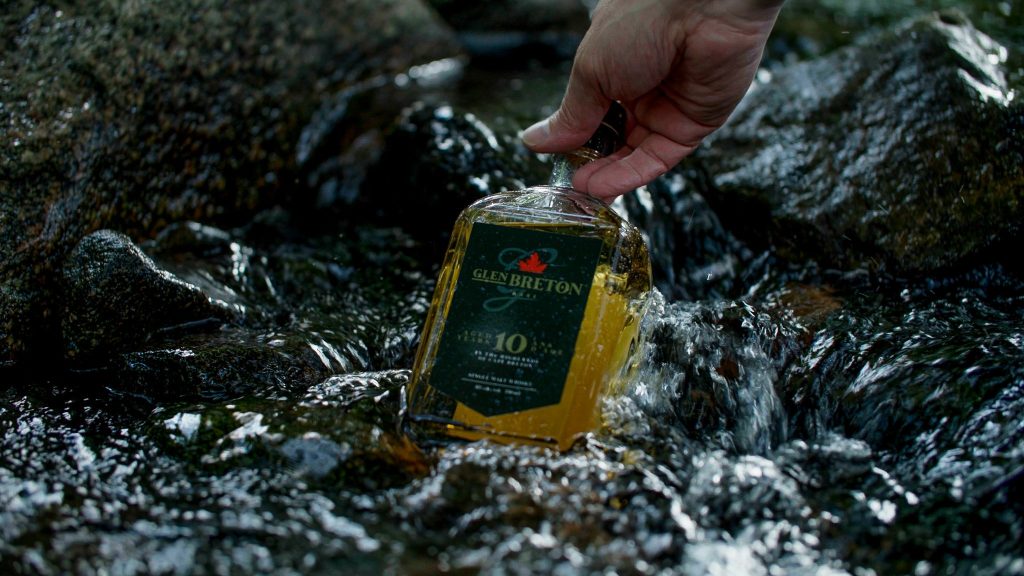
🏛️Canada's first single-malt whisky distillery (est. 1990) on the Ceilidh Trail in Glenville, near Mabou. Hourly guided tours daily mid-May to late October, a pub-style restaurant with live Celtic music, and nine inn rooms plus six highland chalets on a 200-acre property.
Key Features:
- Hourly guided distillery tours
- Glen Breton single malt tastings
- Pub restaurant with live Celtic music
- Inn rooms and highland chalets
- Good Cheer Trail stop
Events
14 items Celtic Colours International Festival
🎉World-renowned nine-day celebration of Celtic culture, October 9-17, 2026 — the festival's 30th anniversary — with 52 concerts and over 300 events across 36 island communities during peak fall foliage season.
Event Features:
- Celtic music
- cultural festival
- fall foliage
- international artists

KitchenFest! / Feis a' Chidsin!
🎉Cape Breton's premier Gaelic music festival returning for its 13th year from June 26 to July 4, 2026. Dozens of concerts, céilidhs, pub nights, and square dances across the island celebrating Cape Breton's rich Gaelic culture and kitchen-party tradition.
Event Features:
- Live Gaelic Music
- Céilidhs & Pub Nights
- Square Dances
- Concerts
- Cultural Workshops
- Family-Friendly
.jpeg)
Festival of the Arts (Festival de l'Art)
🎉Celebration of Acadian culture and arts in the Chéticamp region featuring traditional music, dance, visual arts, and Acadian cuisine, organized by the Conseil des arts de Chéticamp.
Event Features:
- Acadian culture
- French heritage
- arts festival
- traditional music
Accommodations
1 items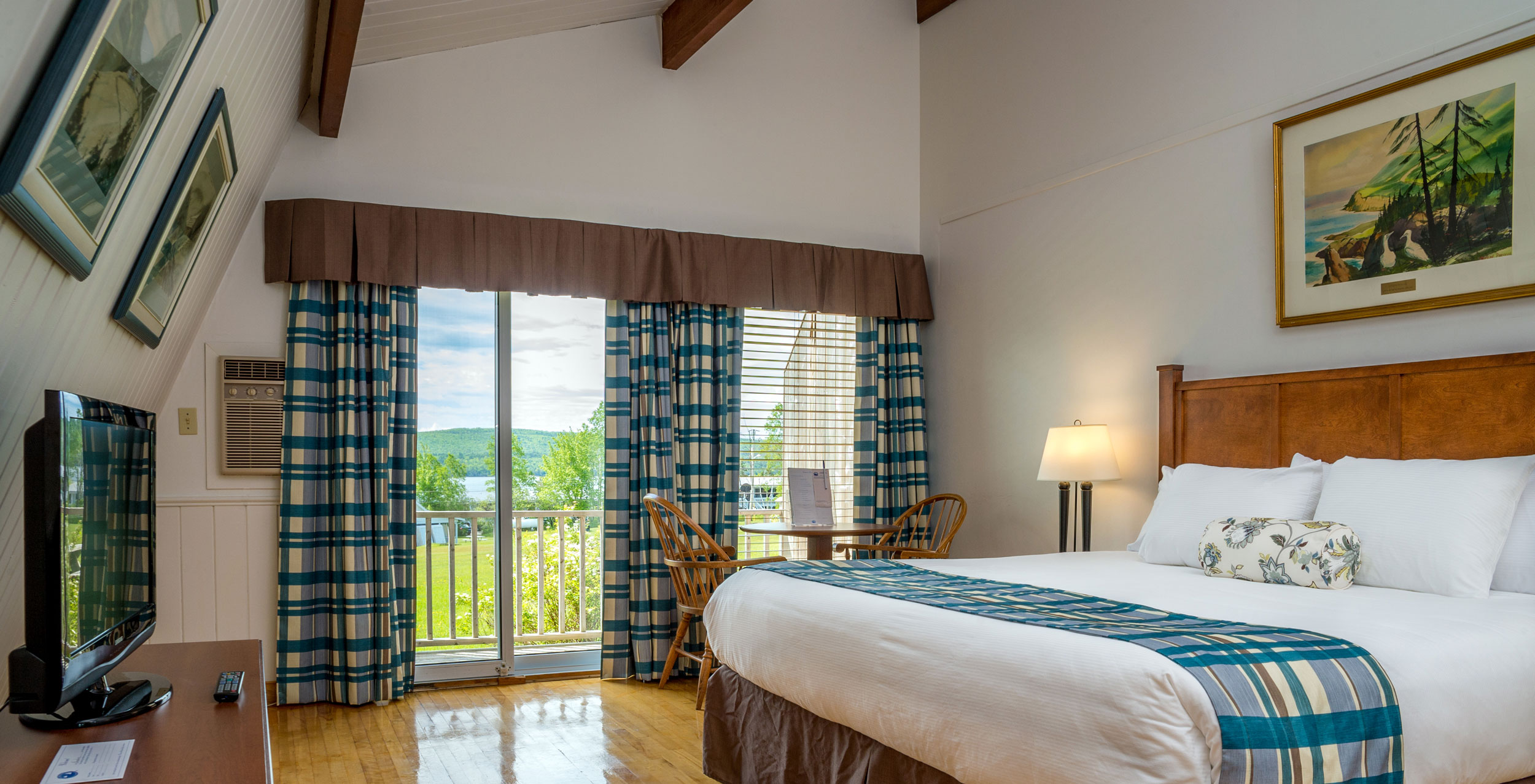
Silver Dart Lodge
✨A 90-acre lakeside lodge above the Bras d'Or at Baddeck - lodge rooms, MacNeil House suites, and kitchen chalets, five minutes from the village and the start of the Cabot Trail. Seasonal, roughly $154-$227 CAD.
Featured Items:
- 90 acres overlooking Bras d'Or Lake
- Lodge rooms, MacNeil House suites, kitchen chalets
- On-site Thistle Down Restaurant
- Five minutes from Baddeck village
- Natural base for the Cabot Trail
Why Cape Breton Belongs on Your Nova Scotia Itinerary
Cape Breton Island is the kind of place that travellers plan a whole return trip around. Joined to mainland Nova Scotia by a thin causeway, it feels like a separate country - one ruled by highland plateaus, a world-famous coastal road, and a living Gaelic, Mi'kmaq and Acadian culture you can hear in kitchen parties and parish halls. At its heart is the Cabot Trail, a roughly 298-kilometre loop that the travel press routinely ranks among the greatest drives on the continent. Whether you have a long weekend or a full week, Cape Breton rewards slowing down: pulling off at a lookout, hiking to a headland, watching whales surface offshore, and ending the day with fiddle music and a plate of fresh lobster. Read on for what to see, when to go, and how to weave the island's highlights into a single trip - and see our complete Cabot Trail Fall Colors guide for day-by-day itineraries.
Cape Breton at a Glance
Cape Breton is an island at the northern end of Nova Scotia, joined to the mainland by the Canso Causeway since 1955. It is roughly 10,300 square kilometres of highland plateau, glacial valleys, and rocky Atlantic coast - home to about 130,000 people and anchored by communities like Sydney, Baddeck, Chéticamp, and Ingonish. From Halifax, Sydney is about 400 km (four to four-and-a-half hours) by highway 105 and the Trans-Canada.
Most travellers come for three things: driving the Cabot Trail, a roughly 298-kilometre loop through Cape Breton Highlands National Park; the island's living Celtic, Mi'kmaq, and Acadian culture; and the quiet coastal towns in between. Plan on three to five days to do the island justice - two is the practical minimum for the Trail alone.
The Cabot Trail: One of North America's Greatest Drives
The Cabot Trail loops through the highlands and along both coasts, climbing from sea level up onto the plateau where the road threads between sheer forested slopes and the open Atlantic. Two big decisions shape your drive: direction (clockwise or counter-clockwise) and how many days you allot. A clockwise route puts the ocean on your side of the road for the most photographed western stretch, while counter-clockwise eases the climbing for nervous drivers and RVs. Most travellers need at least two to three days to do it justice, with overnights in Chéticamp, Ingonish, or the highlands themselves. Budget time for the lookoffs - MacKenzie, Lone Shieling, and the Skyline headland among them - because the views change dramatically with the light, and the roadside pulloffs are half the experience.
Autumn turns the drive into one of eastern Canada's signature leaf-peeping routes. Sugar maples, birch, and tamarack flame red and gold against the dark spruce, usually peaking from late September into the first two weeks of October. If foliage is your goal, time it with our Nova Scotia Fall Foliage guide and book lodging early - October is the island's busiest stretch thanks to the colours and the Celtic Colours festival.
Cape Breton Highlands National Park
The Cabot Trail's backbone is Cape Breton Highlands National Park, nearly 950 square kilometres of plateau, river valleys, and wild coastline. The park is where the road climbs onto the plateau and the scenery turns properly alpine - think subarctic barrens, bog lakes, and sudden ocean panoramas. Its signature walk is the Skyline Trail, a roughly 7.5-kilometre return route across a headland to an elevated boardwalk and viewpoint over the Gulf of St. Lawrence. It's gently graded and one of the most rewarding short hikes in the Maritimes, with a real chance of spotting moose in the ponds along the way. Birders and wildlife photographers should also budget time for the Cape Smokey Gondola, which carries you above the treeline near Ingonish for panoramic highland-and-ocean views without the climb.
Beyond Skyline, the park's trail network ranges from short lookouts to multi-day backcountry routes, and several paths have been upgraded for accessibility. If you're travelling with mobility needs, our Accessible Travel Guide details wheelchair-friendly boardwalks, trails, and viewpoints inside the park and across the island.
Celtic, Mi'kmaq & Acadian Culture
Cape Breton's culture is as dramatic as its scenery. The island is the heartland of Cape Breton fiddle music and step-dancing - a living Scottish Gaelic tradition kept alive through community halls, pubs, and kitchen parties, especially around Mabou and Judique. Each October, the Celtic Colours International Festival brings musicians from across the Celtic world to venues island-wide for roughly nine days of concerts, workshops, and community meals - and it's timed deliberately with the fall colours, which is why October books out first.
Long before the Highland Scots arrived, the Mi'kmaq had stewarded these lands and waters for millennia, and Mi'kmaw heritage sites, guided experiences, and place names remain central to the island's identity. On the western coast, the Acadian village of Chéticamp is a French-speaking fishing and arts community famous for its hooked rugs and the Acadian Museum; many Cabot Trail travellers base themselves here for a night or two. The blend of Mi'kmaw, Gaelic, Acadian, and English-speaking communities within a few hours' drive is part of what makes Cape Breton feel so layered and distinct from mainland Nova Scotia.
Hiking, Whale Watching & the Sea
The sea shapes everything on Cape Breton, and the best experiences put you on or near the water. Whale watching trips run from several harbours - most reliably from the northern coast around the Bras d'Or and Cape North - where minke, pilot, humpback, and occasionally fin whales feed through summer and early fall. A short boat trip out to the Bird Islands is the easiest way to see Atlantic puffins, razorbills, and bald eagles up close; our Puffin Tours Cape Breton guide covers the best operators, timing, and photography tips. Paddlers can rent sea kayaks for protected explorations around the Bras d'Or Lake - a vast inland sea and UNESCO Biosphere Reserve - while surfers and beachcombers will find quiet sand coves near Ingonish. The off-the-beaten-path picks in our Hidden Gems guide include several Cape Breton spots worth the detour.
Where to Stay
Cape Breton's accommodation runs the gamut from highland national-park campsites and coastal inns to resort-style lodges near Baddeck and Keltic Lodge-style properties above Ingonish. For something more memorable than a standard hotel, the island is rich with character stays - restored lighthouse keeper's cottages, glamping domes with ocean views, and remote cabins on the Bras d'Or. Browse the full range of distinctive options in our Unique Places to Stay guide. A practical tip: because the Cabot Trail is a loop with limited lodging clusters, decide your direction and nightly stops before you book, and reserve early for July through mid-October - the best properties sell out months ahead, particularly around Celtic Colours.
Planning Your Trip
The main travel window runs from June through October, when the Cabot Trail's full loop and most park facilities are open and the weather is at its most cooperative. July and August are warmest and busiest; September brings thinner crowds, reliable whale watching, and the first colour changes; and October delivers peak foliage and Celtic Colours but cooler nights. Most visitors fly into Halifax Stanfield International Airport and drive the roughly four to five hours to the island, or arrive by the ferry from Newfoundland at North Sydney. You'll want a car - there is no practical public transit along the Cabot Trail. Whatever your season, pack layers: highland weather can swing from sunny and warm to foggy and cold in a single afternoon, and that unpredictability is part of what makes the scenery so endlessly photogenic.
Cape Breton, Nova Scotia: Frequently Asked Questions
Where is Cape Breton, Nova Scotia?
Cape Breton is an island at the northeastern end of Nova Scotia, Canada, connected to the Nova Scotia mainland by the Canso Causeway. Sydney, the island's largest town, is about 400 km - roughly four to four-and-a-half hours' drive - from Halifax, and the island sits across the Strait of Canso from mainland towns like Port Hawkesbury.
What is Cape Breton known for?
Three things above all: the Cabot Trail, one of North America's most celebrated scenic drives; Cape Breton Highlands National Park, where the highland plateau meets the sea on trails like the Skyline; and living Celtic, Mi'kmaq, and Acadian culture - fiddle music, kitchen parties, and the fortress of Louisbourg. Add world-ranked links golf at Cabot Links in Inverness and the Alexander Graham Bell museum in Baddeck and you have Nova Scotia's most concentrated destination.
How many days do you need in Cape Breton?
Three to five days is the sweet spot. The Cabot Trail loop alone deserves two nights (Baddeck or Chéticamp on one side, Ingonish on the other), and that leaves no time for Louisbourg, the Margaree Valley, or a slow morning in a village pub. With five days you can drive the Trail, hike the Skyline and Middle Head trails, and still linger.
When is the best time to visit Cape Breton?
Late June through mid-October. July and August bring the warmest weather and the fullest schedule of live music; September thins the crowds while the water stays swimmable at Ingonish; and early-to-mid October delivers peak fall colour plus the Celtic Colours International Festival. Winter access is easy via the causeway, but many Trail services close.
Do you need a car to visit Cape Breton?
Yes - realistically. There is no public transit around the Cabot Trail, and the island's whole point is the driving. Rent a car in Halifax (or fly into Sydney and rent there), and plan your fuel stops: services cluster in Baddeck, Chéticamp, Ingonish, and Sydney, with long quiet stretches between.
Is Cape Breton part of Nova Scotia?
Yes. Cape Breton is an island region of the province of Nova Scotia - it is one of Nova Scotia's travel regions, not a separate province. Before the Canso Causeway opened in 1955, ferries were the only link; today you cross to the island without ever leaving the province.
What are the best towns to stay in on Cape Breton?
Baddeck makes the classic base - central, on Bras d'Or Lake, and steps from the Alexander Graham Bell museum. Chéticamp and Ingonish flank the Cabot Trail's best hiking. Sydney suits flight arrivals and Louisbourg day trips, and the Margaree Valley is the pick for anglers and anyone chasing quiet.