About Birthplace of Hockey Museum
Museum inside Windsor's Clifton Museum tracing ice hockey's origins to 1800s hurley-on-ice on Long Pond. Mi'kmaq-carved sticks, wooden pucks, Starr skates and the Starr Trophy.
Features & Highlights
Detailed Information
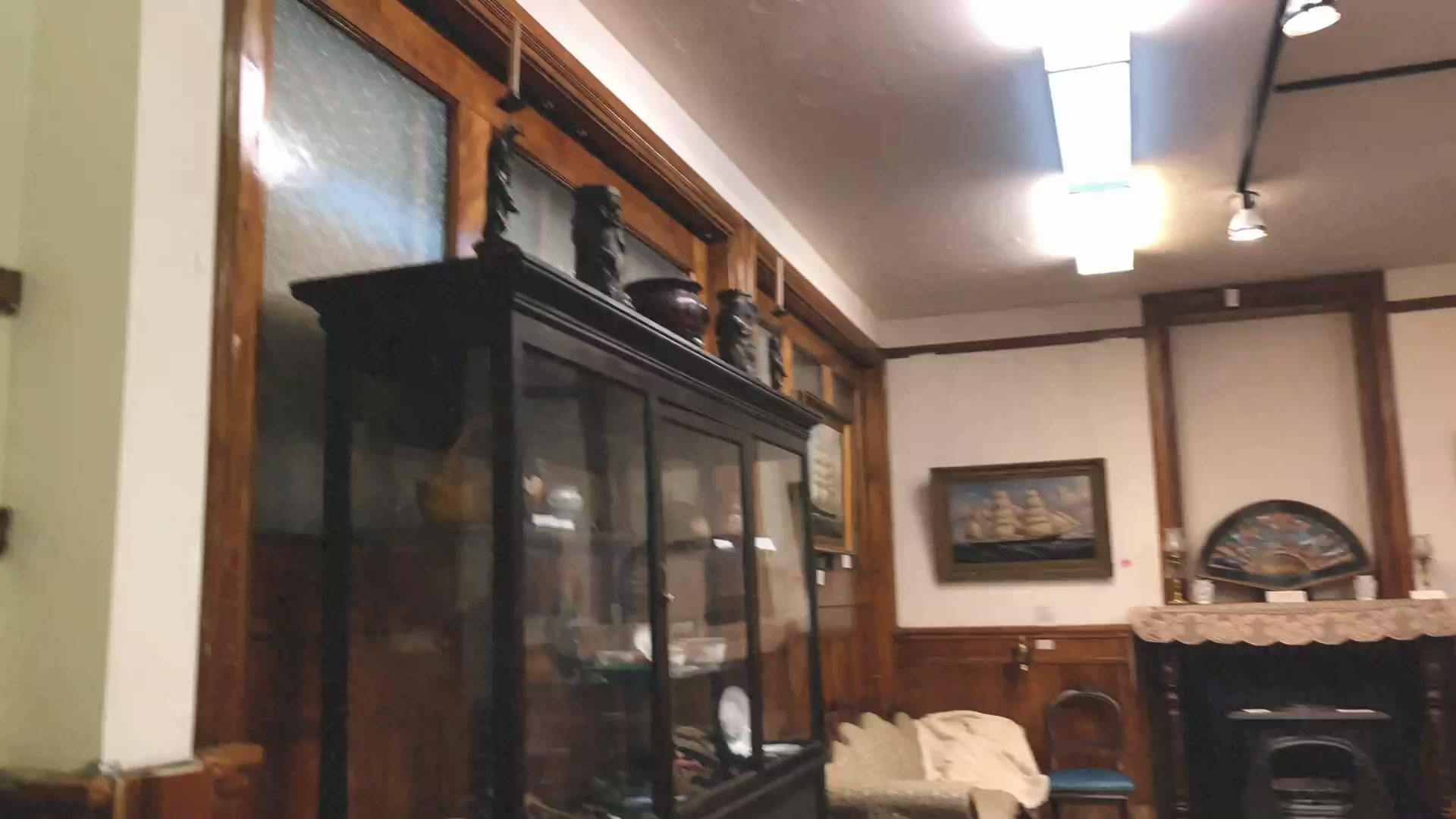
Every hockey-crazed town needs an origin story, and Windsor has the oldest one on paper. The claim rests on a single sentence published in 1844, when Windsor author Thomas Chandler Haliburton recalled his school days at King's College School between 1800 and 1810: "…you boys let out racin', yelpin', hollerin', and whoopin' like mad with pleasure… and the game at base in the fields, or hurley on the long pond on the ice." If boys were playing hurley — an Irish field game — on frozen Long Pond in the first decade of the 19th century, Windsor argues, ice hockey had its start here, decades before Montreal organized its first game in 1875. The Birthplace of Hockey Museum, inside the Clifton Museum on the grounds of Clifton Museum Park at 424 Clifton Avenue, makes the case in five rooms of artifacts, photographs and research.
The Paper Trail: Haliburton, Long Pond and the Windsor Mail
Haliburton's 1844 book The Attache is the cornerstone document, but it isn't the only one. His earlier The Clockmaker (1836) references "playing ball on ice," and a letter to the editor of the Windsor Mail in 1876 adds a witness account from a King's College alumnus who attended the school between 1816 and 1818. That letter is wonderfully specific: "And Long Pond, back of the College were favorite resorts, and we used to skate in winter, on moonlight nights on the ponds… I recollect John Cunard (brother of Sir Samuel of Steamship fame) having his front teeth knocked out with a hurley by Pete Delancey, of Annapolis." A dental casualty recorded in print within living memory of the event — hockey's first documented injury claim, if you accept the date.
The museum's research files, built on decades of work by local author-historian Garth Vaughan and the Windsor Hockey Heritage Society, lay out this documentary record alongside the counterclaims of Montreal and Kingston. Windsor's case doesn't rest on being first to organize — it rests on being first to play.
Wooden Pucks, Mi'kmaq Sticks and Starr Skates
The collection walks you through the equipment the game was born with, and the stick story is the one that matters. Early one-piece hockey sticks were carved by Mi'kmaq craftsmen from hornbeam and yellow birch — wood so suited to the purpose that Mi'kmaq-made sticks were ordered and shipped across the country as the sport spread. The museum displays carved one-piece sticks alongside wooden pucks, "stock" skates, and pairs of Starr skates from the Dartmouth factory whose clamp-on design put affordable skates on a generation of Canadian feet. Early forms of protective equipment round out the display, a reminder of how much of the game's first century was played with almost no padding at all.
The Hockey Starrs Room
The trophy room holds the collection's centrepieces: the Starr Trophy, described as one of the first of its kind and a predecessor to the Stanley Cup, and both of the original Windsor Citizen's Trophies from 1900 and 1903. Museum guide Nolan MacDonough walks visitors through the stories behind each piece — the trophies' histories involve as much drama as the games they rewarded.
The Coloured Hockey League and the Paris Family
Two displays give the museum depth beyond the origin-date debate. The first covers the Coloured Hockey League of the Maritimes, founded in 1895 when segregation locked Black players out of existing leagues — its teams drew crowds that exceeded the white leagues' in their prime. The second traces the Paris family of Windsor, from John "Buster" Paris in the 1930s through John Paris Jr., who went on to a coaching career in professional hockey. A third case documents women's ice hockey in the 1890s, among the earliest reported women's play in Canada.
Planning Your Visit: Season, Hours and Admission
Address & Location: 424 Clifton Ave, Windsor, NS, on the Clifton Museum Park grounds (the park is also home to the Haliburton House Museum, an 1836 cottage once owned by the Haliburton family). Windsor is about an hour from Halifax on Highway 101.
Season & Hours: Open seasonally, Wednesday through Sunday, 10:00 AM to 4:00 PM, from early June through October. The museum is currently closed for the season, with reopening set for June 2027; interim displays are on view at the West Hants Sports Complex — check the official site before travelling.
Admission: Adults $3.90, seniors and youth $2.80, children free, family rate $8.65. Cash, debit, Visa, Mastercard and American Express are accepted.
Contact: (902) 798-1800 or birthplaceofhockey@gmail.com; birthplaceofhockey.ca.
Parking & Amenities: Free parking on site; the museum has a gift shop. Give the surrounding park an extra hour — its orchards, ponds, trails and free disc golf course are open year-round, and downtown Windsor's waterfront is minutes away, as are Fort Edward National Historic Site and the Trecothic Creek & Windsor Railway.
Whether or not you leave convinced Windsor outranks Montreal, the museum makes its case with more paper, wood and bone than most sports museums can muster — and Long Pond itself, the frozen pond at the centre of the story, still sits behind the old school grounds a few minutes away.